ADA Considerations for Commercial Concrete Walks and Steps
People searching for ADA concrete walks and steps installation are typically seeking professionals to ensure accessible, compliant, and safe pathways that meet ADA standards.
Visitors exploring ADA considerations for commercial concrete walks and steps are in the right place to find practical guidance tailored to property owners in the area. Ensuring that walkways and entryways meet accessibility standards is essential for creating safe, inclusive environments that accommodate all visitors. Whether planning a new installation or updating existing concrete features, understanding how ADA requirements influence design and construction can help property owners make informed decisions that enhance usability and compliance.
Engaging with local contractors who specialize in ADA concrete walks and steps can provide valuable expertise for addressing these considerations effectively. These service providers understand the specific needs of commercial properties and can help implement solutions that improve accessibility while maintaining durability and aesthetic appeal. Continuing to explore this topic can reveal the key factors involved and connect property owners with experienced professionals ready to assist with accessible concrete projects.
- Commercial concrete walks and steps installation services are essential when businesses need accessible pathways that comply with ADA standards, and local contractors can ensure proper slope and surface requirements.
- Property owners planning to upgrade or replace existing concrete walks and steps to meet ADA considerations for commercial concrete walks and steps often rely on experienced local service providers for precise grading and ADA-compliant features.
- When developing new commercial sites or renovating existing facilities, local pros can install ADA-compliant concrete walks and steps that provide safe, accessible routes for all users.
- Businesses seeking to improve accessibility for customers or employees may engage local contractors to incorporate ADA considerations for commercial concrete walks and steps during installation or remodeling projects.
- Property managers and business owners looking to ensure compliance with ADA standards for commercial concrete walks and steps can find local service providers skilled in creating accessible, durable concrete features.



When people search for ADA considerations for commercial concrete walks and steps, they are often looking for guidance on how to ensure outdoor pathways meet accessibility standards. This topic is relevant to property owners, managers, and business operators who want to make sure their outdoor entryways are usable by everyone, including individuals with mobility challenges. The focus is on creating safe, level, and compliant surfaces that facilitate easy access to buildings, parking areas, or outdoor amenities. Understanding ADA requirements helps prevent potential legal issues and ensures that the property remains welcoming and functional for all visitors.
This subject relates closely to planning and executing projects that involve installing or upgrading concrete walks and steps around commercial properties. Common problems include uneven surfaces, steep inclines, or steps that are not accessible, which can hinder mobility for wheelchair users, people with walkers, or those who find stairs difficult. Property owners often seek to modify existing pathways or install new concrete features that adhere to ADA standards, which specify specific slope ratios, tactile warnings, and clear widths. These considerations are essential when designing new walkways or making renovations to ensure accessibility is integrated into the overall property layout.
The types of properties that frequently come up in ADA considerations for commercial concrete walks and steps include retail stores, office buildings, healthcare facilities, restaurants, and public service areas. These properties typically have outdoor entrances, loading zones, or outdoor seating areas that require accessible pathways. Additionally, multi-tenant complexes or properties with high foot traffic often need to prioritize ADA compliance to accommodate diverse visitors and meet legal standards. Local service providers experienced in ADA concrete installation can assess existing features and recommend modifications or new installations that meet accessibility guidelines, ensuring compliance and improved usability.
For property owners planning to enhance accessibility, understanding how ADA considerations influence concrete walk and step projects is crucial. Local contractors who specialize in ADA-compliant concrete work can evaluate the property’s specific needs, design accessible pathways, and handle the installation process. These professionals help ensure that the finished project aligns with ADA standards, including appropriate slope, width, and tactile features. Working with experienced service providers can streamline the process, reduce the risk of costly mistakes, and provide peace of mind that the property’s outdoor spaces are safe and accessible for everyone.
Accessible Ramp Installations - local contractors skilled in designing and building ramps that meet ADA standards for commercial properties, ensuring safe and compliant access for all users.
Sidewalk and Pathway Construction - professionals who create smooth, level, and accessible concrete pathways that adhere to ADA guidelines for commercial environments.
Stair and Step Renovations - service providers experienced in installing or modifying steps and stairs to include compliant handrails and tactile warnings for ADA accessibility.
Curb Cut and Transition Projects - local experts who can add curb cuts and transitions to improve wheelchair and mobility device access across commercial walkways.
Parking Lot Accessibility Improvements - contractors capable of designing accessible parking spaces and connecting routes that align with ADA requirements for commercial sites.
Concrete Repair and Leveling - specialists who fix uneven or damaged concrete surfaces to ensure compliance with ADA standards for safe, accessible walkways and steps.

When comparing service providers for ADA considerations for commercial concrete walks and steps, it is important to evaluate their experience with similar projects. Local contractors who have a history of working on ADA-compliant installations are more likely to understand the specific requirements for accessible pathways and ramps. Asking about past projects can provide insight into their familiarity with ADA standards and their ability to handle the unique challenges that come with designing and installing accessible concrete features. Experience in this area can help ensure that the work will meet accessibility standards and function effectively for all users.
Clear, written expectations are essential when choosing a contractor for ADA concrete walks and steps. A reputable service provider should be able to provide detailed proposals that outline the scope of work, materials to be used, and compliance considerations. This documentation helps prevent misunderstandings and ensures that both parties are aligned on project goals. When reviewing proposals, look for clarity and completeness, and consider how well the contractor explains their approach to meeting ADA requirements, including slope ratios, tactile indicators, and surface smoothness.
Reputable references and good communication are key indicators of a reliable contractor. Asking for references from previous clients who have had similar ADA-related projects can help verify the quality of work and adherence to accessibility standards. Additionally, effective communication throughout the project is vital; it ensures that questions are answered promptly and concerns addressed as they arise. Service providers who are transparent and responsive tend to be better equipped to deliver a finished product that meets both accessibility needs and project expectations, making the process smoother and more predictable for the homeowner.
Property owners often search for ADA considerations for commercial concrete walks and steps when they are planning practical projects around their homes and businesses. Local pros provide ADA Concrete Walks and Steps Installation services for everyday jobs and straightforward project options.

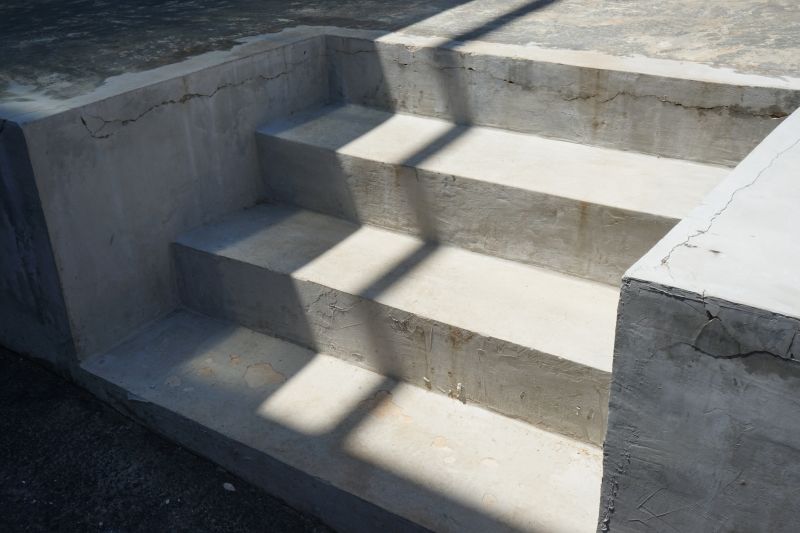
ADA considerations for commercial concrete walks and steps are an important factor for property owners aiming to ensure accessibility for all visitors. When planning or renovating outdoor walkways, simple adjustments such as proper slope, width, and surface texture can make a significant difference in meeting accessibility standards. Local contractors experienced in ADA-compliant installations can help assess existing concrete features and recommend modifications to improve safety and usability, especially for individuals with mobility challenges.
Many property owners look into ADA concrete walks and steps installation services to prevent potential accessibility issues and promote inclusive access to their businesses or facilities. Whether updating older walkways or building new ones, working with local service providers who understand ADA guidelines ensures that concrete features are designed and installed to accommodate diverse needs. These professionals can handle the technical aspects, giving property owners confidence that their outdoor spaces meet necessary standards for accessibility.
What are key ADA considerations for commercial concrete walks and steps? ADA considerations for commercial concrete walks and steps include proper slope, width, and tactile features to ensure accessibility for all users.
How do local contractors ensure concrete steps meet ADA standards? Local contractors follow ADA guidelines by installing ramps, handrails, and slip-resistant surfaces to make concrete steps accessible and safe.
Are there specific design features to make concrete walks ADA compliant? Yes, features such as gentle slopes, wide pathways, and textured surfaces help ensure concrete walks are compliant with ADA requirements.
What are common ADA-related issues with existing concrete steps? Common issues include inadequate slope, lack of handrails, and uneven surfaces that can hinder accessibility and require modification by local pros.
Can local concrete installation services help modify existing walks for ADA compliance? Yes, local service providers can assess and modify existing concrete walks and steps to meet ADA considerations for accessibility and safety.
Accessible Ramps and Slopes - Installing ramps with appropriate slopes ensures smooth access for wheelchairs and mobility devices, making commercial walks more inclusive. Local contractors can help design and build compliant pathways that meet ADA standards.
Tactile Warning Surfaces - Incorporating textured surfaces at transitions and steps alerts visually impaired pedestrians to changes in elevation, enhancing safety. Local pros can integrate these features seamlessly into concrete walks and steps.
Proper Step Dimensions and Handrails - Ensuring steps have consistent height, depth, and sturdy handrails improves safety and usability for all users. Experienced service providers can customize installation to meet ADA guidelines.
Clear Pathway Widths - Maintaining a minimum width for walkways allows easy navigation for individuals with mobility aids, supporting accessibility requirements. Local contractors can design layouts that maximize space and compliance.
If you are thinking about ADA considerations for commercial concrete walks and steps for a property, this guide is meant to help you understand this topic, the typical project types, and how different options might fit your plans.
When you are ready, you can use the quote form on this page to share a few details about your project. From there, local pros can review the basics and follow up with options that match what you have in mind.